


Description
Nature’s Perfect Snack – Cavendish Bananas for Multi-Purpose Usage for Sale
Nature’s Perfect Snack – Cavendish Bananas for Multi-Purpose Usage for Sale
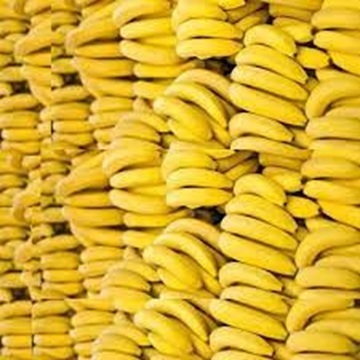
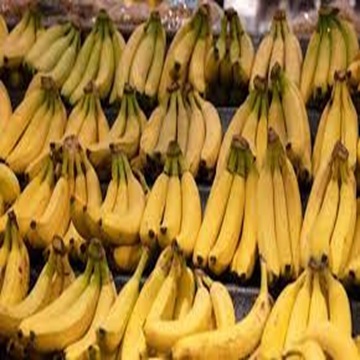
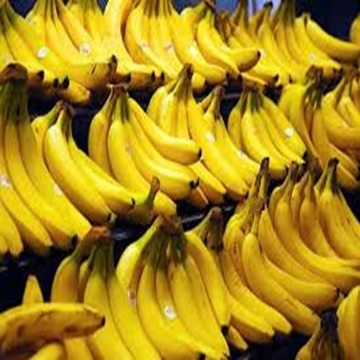
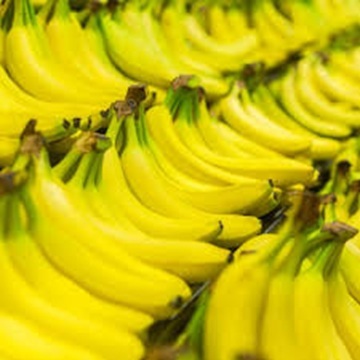
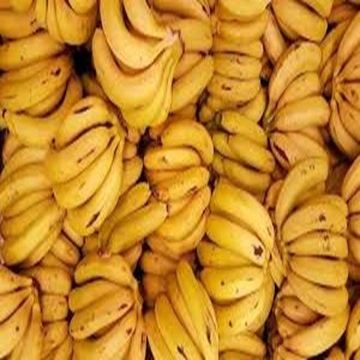
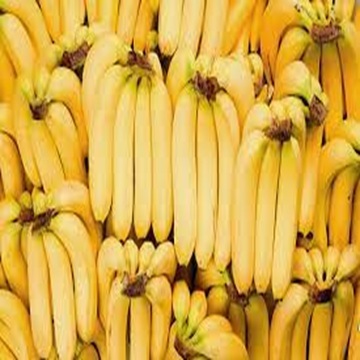
The Cavendish banana is a monoculture cultivar that accounts for over 99% of banana exports and approximately 47% of global banana production. It is the yellow banana found in supermarkets worldwide.
1. Types & Sub-Varieties
While all are “Cavendish,” several subgroups are cultivated for specific traits like size, vigor, and disease resistance.
| Sub-Variety Name | Key Characteristics | Growing Regions & Notes |
|---|---|---|
| Grand Nain (Giant Cavendish) | The most common export variety. Produces large, heavy bunches with long, thick fruits. Resistant to wind. | Ecuador, Colombia, Central America. The industry standard due to high yield. |
| Williams | Very similar to Grand Nain, with slightly smaller bunches but excellent fruit quality and flavor. | A leading variety in many export plantations. |
| Valery | Taller, more robust plant. Fruit is slightly more curved and has a thicker skin. | Was widely planted; now often replaced by Grand Nain. |
| Dwarf Cavendish | Shorter, sturdier plant, making it less susceptible to wind damage. Fruit is smaller and sweeter. | Grown in some regions for local markets and as an ornamental. |
2. Importance & Key Features
The Cavendish banana’s importance is monumental, underpinning a massive global industry and serving as a vital food source.
A. For the Consumer:
- Nutritional Value:
- Potassium: Essential for blood pressure regulation and heart function.
- Vitamin B6: Important for brain health and metabolism.
- Vitamin C: An antioxidant that supports immune function.
- Dietary Fiber: Aids in digestion and promotes satiety.
- Quick Energy: High in easily digestible carbohydrates (sugars).
- Convenience & Flavor:
- Naturally pre-packaged with an easy-to-remove peel.
- Consistent, mildly sweet flavor and creamy texture that is widely palatable.
- Versatility:
- Fresh Eating: The primary use.
- Smoothies & Shakes: Adds creaminess and sweetness.
- Baking: Banana bread, muffins, and cakes.
- Desserts: Topping for cereal, yogurt, and ice cream.
B. For the Grower & Global Supply Chain:
- The Backbone of a Global Industry: Creates millions of jobs in cultivation, packing, transport, and retail. It is the most traded fruit in the world by volume and value.
- Monoculture Efficiency: The genetic uniformity of Cavendish allows for highly efficient, large-scale cultivation, harvesting, packing, and ripening.
- Critical Vulnerability: This same genetic uniformity is its greatest weakness, making the entire global crop susceptible to pandemics of fungal diseases like Fusarium Wilt Tropical Race 4 (TR4), which threatens the future of the Cavendish.



Reviews
There are no reviews yet.