





Description
Delicious Nutrient Rich Sweet Potato Available at Cheap Prices
Delicious Nutrient Rich Sweet Potato Available at Cheap Prices
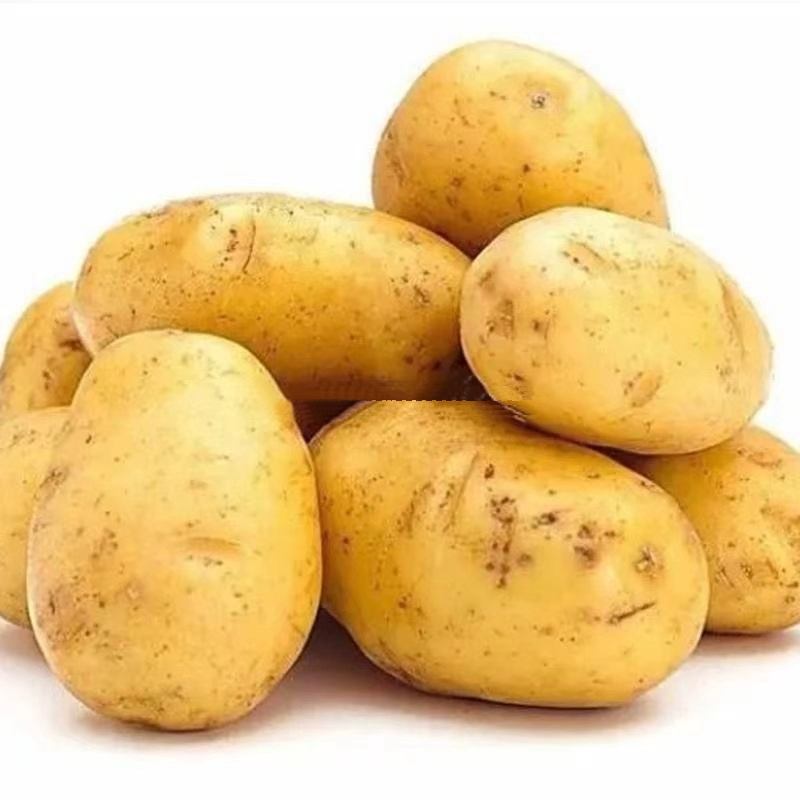
The sweet potato (Ipomoea batatas) is a dicotyledonous plant from the morning glory family (Convolvulaceae). It is a root tuber, not a true potato, and is valued for its sweet taste and high nutrient content.
1. Types & Varieties
Sweet potatoes are primarily categorized by their flesh color, which determines their flavor profile and best culinary uses.
| Type / Variety | Flesh Color | Skin Color | Key Characteristics & Use |
|---|---|---|---|
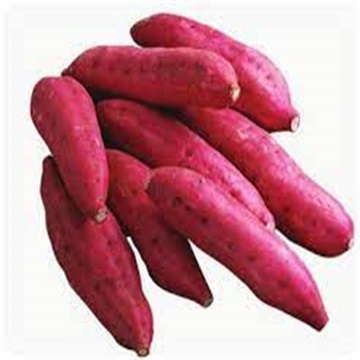
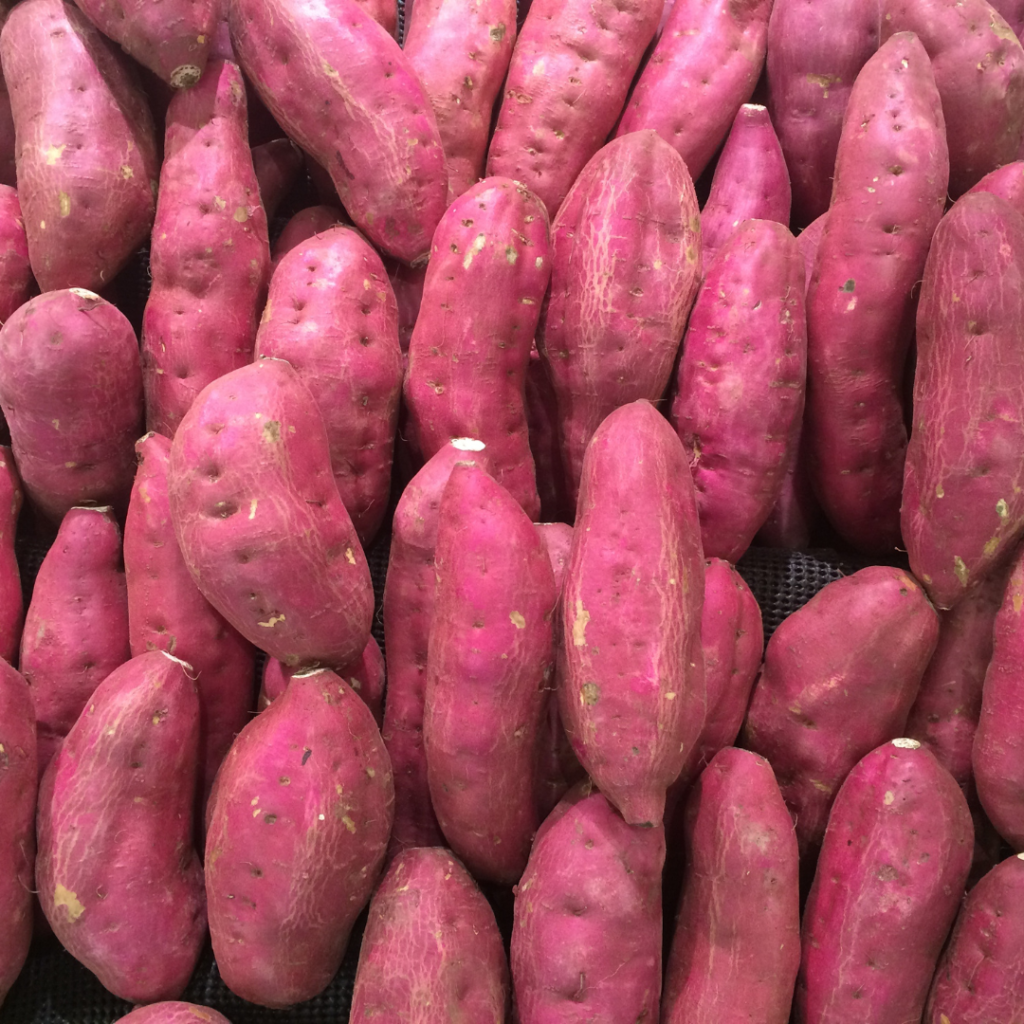
| Orange-Fleshed (e.g., Beauregard, Covington) | Deep Orange | Copper, Reddish | Very moist and sweet when cooked. High in beta-carotene. The most common type in the US. Ideal for pies, casseroles, roasting, and mashing. |
| White / Cream-Fleshed (e.g., O’Henry, Japanese Sweet Potato) | White, Cream, Pale Yellow | Tan, Light Pink | Drier and starchier texture, with a milder, less sweet flavor. Closer to a regular potato. Good for frying, boiling, and mashing. |
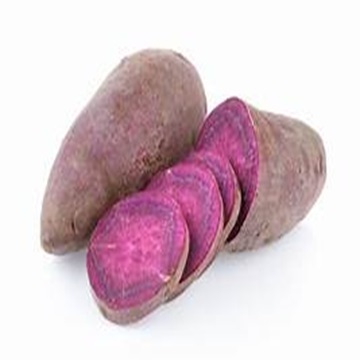
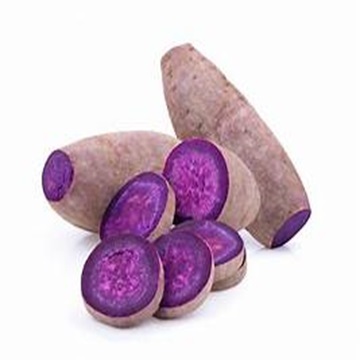
| Purple-Fleshed (e.g., Stokes Purple, Okinawan) | Vibrant Purple | Tan, Purplish | Firm and dry texture even when cooked. Flavor is mildly sweet and nutty. High in anthocyanins. Excellent for roasting, frying, and in desserts. Retains color when cooked. |
2. Importance & Key Features
Sweet potatoes are a crucial food security crop and a “superfood” due to their exceptional nutritional profile.
A. For the Consumer:
- Nutritional Powerhouse:
- Beta-Carotene (Pro-Vitamin A): Orange-fleshed varieties are one of the richest natural sources. Essential for vision, immunity, and skin health.
- Complex Carbohydrates & Fiber: Provides sustained energy and promotes digestive health.
- Vitamins: Excellent source of Vitamin C, B6, and pantothenic acid.
- Minerals: Rich in potassium and manganese.
- Antioxidants: Purple-fleshed varieties are high in anthocyanins; orange varieties in beta-carotene.
- Flavor & Versatility:
- Sweet & Savory Dishes: From classic pies and casseroles to roasted vegetable medleys, fries, and soups.
- Cooking Methods: Baked, roasted, boiled, mashed, fried (as fries or chips), and pureed for baby food.
- Flour & Processed Products: Used as a gluten-free flour and in other value-added products.
B. For the Grower & Supply Chain:
- Drought-Tolerant & Resilient: Grows well in poor soils with limited rainfall, making it a vital food security crop in many developing countries.
- High-Yielding: Produces a significant amount of calories per hectare.
- Global Staple: A dietary cornerstone in parts of Asia, Africa, and the Americas. China produces over 60% of the world’s supply.
3. Detailed Specifications
A. Physical & Sensory Specifications:
| Parameter | Specification |
|---|---|
| Size / Weight | Graded by count per carton (e.g., 40, 50, 60 count) or by weight (e.g., Jumbo > 340g, Large 170-340g, Medium 113-170g, Small <113g). |
| Shape | Uniform, typical of the variety. Should be smooth and well-formed, free from excessive irregularities. |
| Skin & Flesh Color | Skin should be firm, smooth, and free of major blemishes. Flesh color must be uniform and characteristic of the type (deep orange, white, purple). |
| Firmness | Very firm and hard when raw. Should not be soft, spongy, or shriveled. |
| Defect Tolerance | Free from decay, insect holes, cuts, and internal necrosis (black, hard spots inside the root). |
| Dry Matter / Starch Content | A key quality parameter. Ranges from 18% to 30%. Higher dry matter correlates with a drier, mealier texture. |
| Sugar Content (Brix) | Increases during curing and storage. Raw sweet potatoes can range from 5-10% Brix, while cured ones can exceed 15%. |
B. Quality & Grade (e.g., USDA Grades):
- U.S. No. 1: Well-shaped, firm, free from decay, and free from damage caused by cracks, cuts, or other means. Size is fairly uniform.
- U.S. No. 2: Allows for more defects in shape and skin, but must be sound.
Packaging
Packaging protects the delicate skin and manages the curing process, which is critical for quality.
A. Bulk / Shipping Packaging (Grower to Distributor):
- Cartons: Corrugated cardboard cartons are standard.
- Size: Typically 40 lbs (18.1 kg) for the US market.
- Design: May be packed loose or in single layers with dividers to prevent bruising.
- Bins: Large, reusable plastic bins are used for harvest and transport from the field.
B. Consumer / Retail Packaging:
- Loose Bulk: Displayed in supermarket bins for customers to select individually.
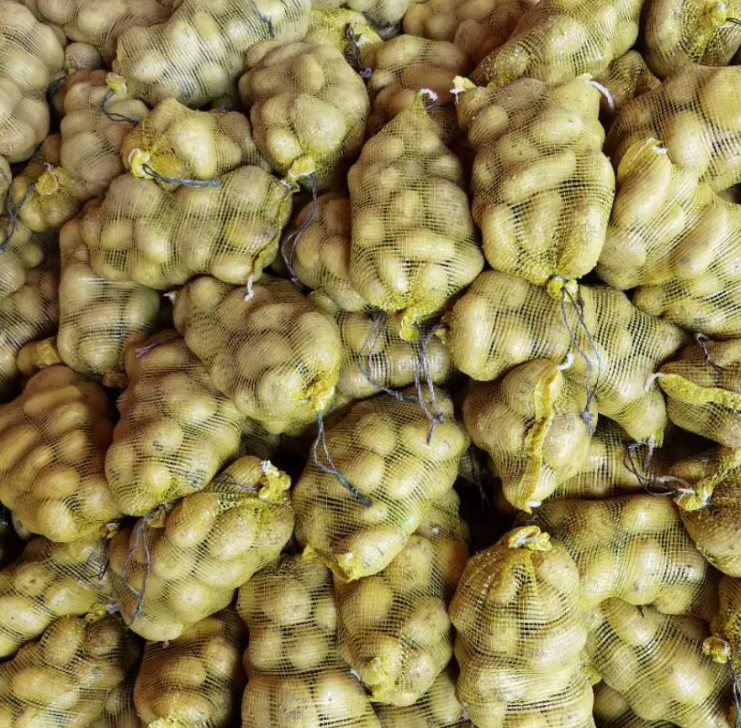
- Pre-Pack Bags: Mesh or plastic film bags containing a specific weight (e.g., 3 lbs, 5 lbs) of sweet potatoes.
- Tray-Wrap: A foam or pulp tray holding 1-3 large sweet potatoes, overwrapped with plastic film.
C. Labeling & Branding:
- PLU Stickers on individual potatoes or bags:
- 4816 (Sweet Potato), 94082 (Organic Sweet Potato). Note: In the US, “yam” is often used incorrectly; the PLU for true yams is 4814.
- Cartons and bags are labeled with:
- Type (e.g., Orange Flesh), Grade, Net Weight, Origin, and Brand.
D. Post-Harvest Treatment & Storage Conditions:
- Curing: This is a critical and unique step. After harvest, sweet potatoes are held at 29-30°C (85-86°F) and 85-90% relative humidity for 4-7 days. This process:
- Heals wounds and cuts on the skin.
- Converts starch to sugar, enhancing sweetness.
- Develops a thicker, more protective skin for longer storage.
- Long-Term Storage: After curing, they are stored at 13-16°C (55-60°F) with 85-90% relative humidity. They are chilling sensitive and will suffer internal discoloration and hard cores if stored below 10°C (50°F).
- Shelf-Life: Properly cured and stored sweet potatoes can have a shelf-life of 6-12 months. At retail, they are typically sold within a few weeks.
Reviews
There are no reviews yet.